January 31, 2026
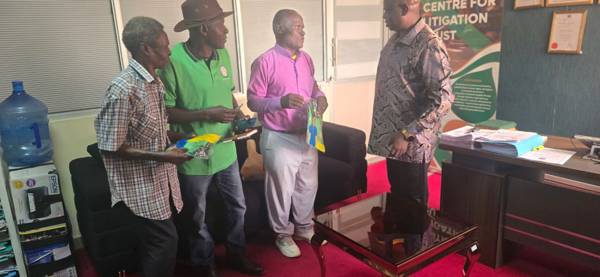
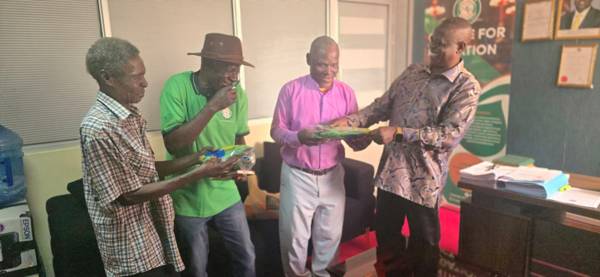
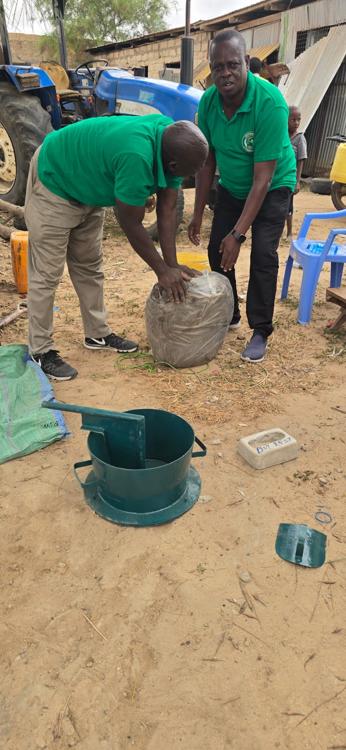
Centre for Litigation Trust (CLT) has launched a new climate-friendly cooking project in Ganze , Kilifi County where clean energy cooking Jikos are set be produced in bulk in a bid to promote clean and affordable cooking solutions that improve household health, protect the environment and strengthen local livelihoods.
The project is also focused on promoting the use of clean energy cooking jikos paired with environmentally friendly fuel briquettes in the area, as a sustainable alternative to traditional cooking using charcoal and firewood.
Centre for Litigation Trust (CLT) Executive Director Julius Ogogoh says the new project is part of a broader effort to promote sustainable livelihoods of rural women while supporting environmental conservation to combat deforestation and forest degradation in the area, and mitigate climate change
Mr.Ogogoh said the briquettes produced from recycled organic materials such as cassava waste and sawdust would provide a clean-burning, low-smoke energy source that significantly reduces indoor air pollution.
He added that through training and community engagement, more women will be supported to use, produce, and distribute these clean cooking solutions, enabling safer kitchens and more affordable household energy.
“By equipping women with skills in briquette production, clean cookstove use, and small-scale energy entrepreneurship, the Centre promotes economic empowerment, reduces pressure on forests, and improves household health outcomes”
“The initiative is set to strengthen local community resilience while advancing environmental conservation, sustainable livelihoods, and gender equality—particularly in underserved communities”, says Mr Ogogoh.
Why is Clean Cooking Jikos important to the Ganze Community?
A large percentage of Kenyan households, especially in Kilifi County, mostly rely on wood and charcoal for cooking, causing significant pressure on local forests, which are already degraded.
Traditional cooking methods, seen as a significant source of greenhouse gases and black carbon, are contributing immensely to pollution, health impacts, and environmental damage, often affecting women and children the most, according to the Centre for Litigation Trust.
The Centre's Director says the improved clean cooking Jikos being produced would reduce dependency on wood and charcoal from local forests, cut fuel consumption, minimise climate pollutants such as black carbon, and reduce climate change impacts in Kilifi County.
"Our project acts as a critical nature-based solution to climate change by reducing reliance on biomass, which has been proven to power many households, especially here in Ganze and Kilifi County in general" Ogogoh added.
Kenya National Cooking Transition Strategy, which aims to propel Kenya to achieve universal access to clean energy by 2028, confirms that transitioning to efficient cooking Jikos or stoves directly reduces the demand for wood and charcoal for cooking, allowing forests to regenerate and reduce carbon emissions.
The target set by the Ministry of Energy and Petroleum was motivated by the urgent need related to global commitments outlined in Kenya's National Determined Contribution (NDC) under the United Nations Framework on Climate Change Conference (UNFCCC) Paris Agreement, The sustainable Development Goals SDGs) and Sustainable Energy for All (SEforALL) agenda.
The World Health Organisation also estimates that 84 of Kenyan households primarily rely on solid fuels such as wood, charcoal and crop residues that emit toxic fumes and contribute immensely to indoor pollution.
The UN agency also recommends a transition from traditional cooking to climate-friendly cooking using clean energy cock stoves and Jikos to promote environmental conservation and mitigate the adverse effects of climate change.
Ends...
Monday - Friday
08:00 am - 05:00 pm
Saturday
8:00 am - 12:00 pm
Sunday
Closed